Most of us clean our mirrors in a rush — a quick wipe with whatever's closest — and then wonder why there are streaks everywhere. The truth is, mirrors are one of the easiest things to clean badly. A few small habits can make a huge difference, and once you know what actually works, it takes just a couple of minutes to get a genuinely clear reflection.
This guide is for anyone who wants their mirrors to look consistently good without much effort. Whether it's a bathroom mirror dealing with daily steam and splashes, a full length bedroom mirror picking up fingerprints and dust, or a feature wall mirror in a living area, the approach is slightly different for each one.
The short answer: dust the glass first with a dry microfibre cloth, then mist a 1:1 mix of white vinegar and water lightly — onto the cloth if the mirror is framed, so nothing runs into the edges. Wipe top to bottom in overlapping S strokes, then buff dry with a second clean microfibre cloth before the surface air dries.
Streaks almost always come from one of three things: too much product, a cloth that sheds fibres, or cleaning a warm mirror in direct sun. The glass itself is rarely the problem.
Before getting into the how, it helps to understand why mirrors seem to streak no matter what you do. The glass itself is not really the problem. Most streaking comes from the cleaning product leaving behind a residue, the cloth leaving fibres, or cleaning in the wrong conditions.
Heat is a big one. If a room is warm and the mirror surface is warm, the cleaning solution dries too quickly before you can spread it properly. This is a common issue in NZ bathrooms after a hot shower — the steam heats the mirror, and anything you spray on it evaporates almost instantly, leaving behind whatever minerals or chemicals were in the liquid.
The other common culprit is the wrong cloth. Paper towels and regular cloths leave fibres on the glass. Microfibre cloths are significantly better because the fibres are too fine to shed. A squeegee can also work well in bathrooms.
You do not need expensive products. A few options that tend to work well in NZ homes:
White vinegar and water is probably the most reliable DIY solution. A 1:1 mix in a spray bottle is gentle enough not to damage the backing of the mirror and does a good job cutting through grease and grime. It does have a noticeable smell while you are using it, but that dissipates quickly.
Commercial glass cleaner works fine as long as you use it in the right conditions and with the right cloth. Look for streak-free formulas and avoid ammonia-based products on mirrored furniture or antique mirrors, as ammonia can eventually damage the reflective backing along the edges.
Plain warm water is often underestimated. For mirrors that are just dusty or slightly smudged, a barely damp microfibre cloth followed by a dry one can be all you need.
Distilled water is worth using if you live in an area with hard water. Tap water in many parts of NZ contains minerals that can leave white spots as it dries. Using distilled water, especially for the final wipe, can eliminate this completely.
| What you clean with | Best for | Watch out for |
|---|---|---|
| White vinegar and water, 1:1 | Everyday grease, fingerprints, general grime | The smell while you work — it goes as it dries |
| Commercial glass cleaner | Quick jobs and heavy smudges | Ammonia based formulas near mirrored furniture or antique mirrors — they can attack the backing at the edges over time |
| Plain warm water | Dust and light smudges — most weekly cleans | Skipping the dry buff, which is what leaves spots |
| Distilled water for the final wipe | Hard water areas where tap water dries with white spots | Nothing, beyond having to buy it |
| Rubbing alcohol, spot use only | Hairspray and sticky residue that water will not shift | Rub gently and keep it to the spot — it is not a whole surface cleaner |
Start by removing loose dust first. Use a dry microfibre cloth or a soft duster and go over the entire surface lightly. Skipping this step and going straight to spraying means you are dragging grit across the glass, which can cause tiny scratches over time.
Spray your cleaning solution lightly — a little goes a long way. Do not saturate the mirror. Excess liquid can run down to the edges and seep behind the backing, which may eventually cause black spots or corrosion along the mirror frame.
Wipe in a Z or S pattern rather than circles. Circular wiping tends to push whatever you are cleaning right back over areas you have already done. A methodical top-to-bottom approach in overlapping passes keeps things efficient.
Finish with a dry microfibre cloth to buff out any remaining moisture. This final buff is the step most people skip, and it is usually the cause of streaks.
For bathroom mirrors, run the bathroom exhaust fan for a few minutes before you start, or wait until the room has cooled down a little after a shower. Cleaning a fogged or warm mirror is an exercise in frustration.
Full-length mirrors present a slightly different challenge because of their size. The same principles apply, but working top to bottom becomes even more important since any drips or excess solution will run downward.
For freestanding or leaning mirrors, try to work on a dry day or in good ventilation. If the mirror is in a bedroom, open a window. Good airflow helps the surface dry evenly rather than in patches.
The edges and frame deserve attention too. Dust settles in the frame profile, and in NZ's humid coastal areas particularly, a buildup of moisture and dust on the frame can affect the mirror over time. A soft, dry brush or a cloth just barely dampened can keep frames looking clean without risking moisture damage.
Bathroom mirrors face a tougher environment than mirrors in any other room. Daily exposure to steam, condensation, hairspray, toothpaste spray, and moisture from towels means they need more regular attention.
Anti-fog sprays are worth considering if your bathroom mirror constantly fogs up. These coat the glass with a thin hydrophilic layer that causes moisture to spread evenly rather than form droplets. You apply them every few weeks and they can make a noticeable difference to how the mirror looks and how easy it is to clean.
For stubborn hairspray residue, a small amount of rubbing alcohol on a microfibre cloth tends to work well. Hairspray is sticky and does not always respond to vinegar or water alone. Rub gently, as you do not want to scrub too hard and risk scratching.
For toothpaste spots, a damp cloth is usually enough if you catch them early. Left to dry, toothpaste can harden and stick, in which case a small amount of water-soaked cloth held against the spot for 30 seconds to soften it first usually does the job.
Wall mirrors in lower-traffic areas like living rooms and hallways generally just need regular dusting and an occasional proper clean. The main culprits tend to be fingerprints, especially near the corners and edges where people touch when adjusting or moving the mirror.
For round or decorative wall mirrors, take care around the decorative frame detail. Use a soft brush or dry cloth for the frame itself, and keep moisture well away from any decorative joinery or resin elements.
In coastal or higher-humidity parts of NZ, wall mirrors can benefit from occasional ventilation of the room they are in. Persistent high humidity is not great for the reflective backing over time.
The honest answer is: more often than most people do, but not necessarily with a full clean every time.
A quick once-over with a dry microfibre cloth every week or so to remove dust and smudges keeps mirrors looking good without much effort. A proper clean with solution — vinegar mix or glass cleaner — every two to four weeks is generally enough for most rooms.
Bathroom mirrors may need attention every one to two weeks depending on usage, especially if multiple people are sharing the space.
A good rhythm is to include a quick mirror wipe as part of your regular room tidy. It takes thirty seconds and keeps things from building up.
| Mirror | Quick dry wipe | Proper clean | What drives it |
|---|---|---|---|
| Bathroom mirror | Every few days | Every one to two weeks | Steam, splashes, toothpaste and hairspray |
| Bedroom full length mirror | Weekly | Every two to four weeks | Fingerprints and dust, not moisture |
| Living or hallway wall mirror | Weekly | Every three to four weeks | Dust, plus fingerprints near the edges |
| Any mirror in a coastal home | Weekly | Every two weeks, and keep the edges dry | Salt air holds moisture against the backing |
Using too much product is probably the most common one. More spray does not mean cleaner mirror — it means more work and more chance of streaks.
Cleaning in direct sunlight is another issue. The sun heats the glass and dries the cleaning solution before you can buff it off. A cloudy day or a shaded spot gives you more working time.
Using old cloths that are no longer absorbent is an easy trap. Microfibre cloths lose their effectiveness over time, especially if washed with fabric softener — which clogs the fibres. Wash your microfibre cloths with a small amount of plain detergent and no softener, and they will last much longer.
Neglecting the mirror backing is something to be aware of in older homes. If a mirror has black spots or clouding around the edges, this is usually the backing deteriorating from moisture exposure. It cannot be reversed, but you can slow further damage by keeping the area dry and avoiding excessive moisture when cleaning.
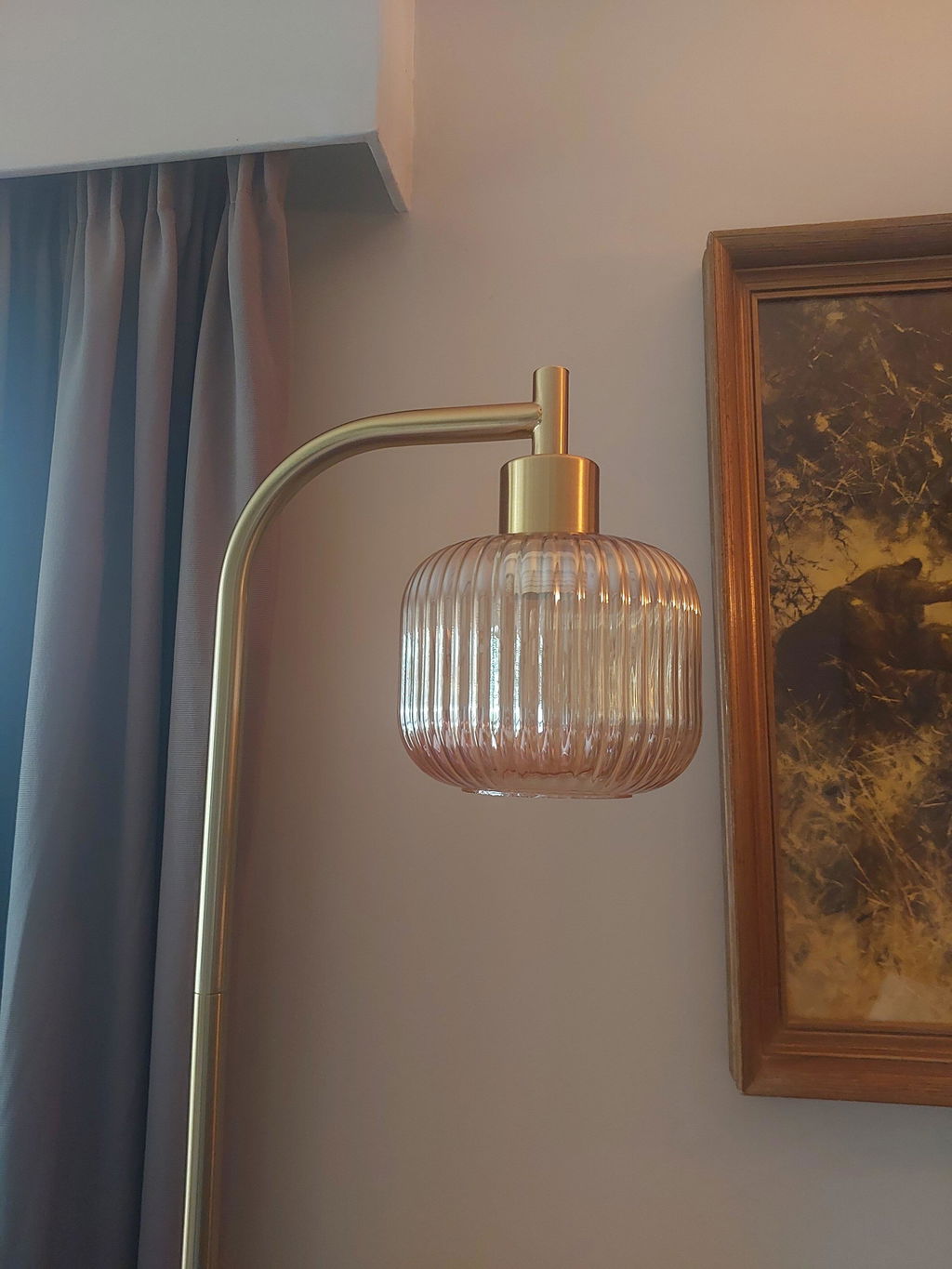
A well-positioned floor lamp or a warm ambient light can make mirrors look significantly better. The Marceau Linen Drum Floor Lamp is worth a look if you are thinking about improving the ambience around a mirror display — good light can make even a modest mirror feel far more polished.
The biggest factor in long-term mirror quality is consistent gentle care rather than occasional intensive cleaning. Build a habit, use the right tools, keep moisture away from edges, and your mirrors can look great for many years.
Frequently asked questions
What is the best way to clean a mirror?
Dust the glass with a dry microfibre cloth first, then mist a 1:1 mix of white vinegar and water lightly — onto the cloth if the mirror is framed, so nothing runs into the edges. Wipe top to bottom in overlapping S strokes and buff dry with a second clean microfibre cloth before the surface air dries. The dry buff is the step most people skip, and it is the one that decides whether you get streaks.
How do you clean a mirror without streaks?
Use less product than feels right, work with two microfibre cloths — one damp, one dry — and stay out of direct sun or a warm room. Heat dries the solution before you can spread it, which is what leaves the film behind. Wipe in overlapping S strokes rather than circles, because circles push the residue back over ground you have already covered.
What can I clean a mirror with if I have no glass cleaner?
White vinegar diluted 1:1 with water does the job on almost everything. For a mirror that is only dusty, a barely damp microfibre cloth followed by a dry one is enough on its own. If you live somewhere with hard water, use distilled water for the final wipe so minerals do not dry as white spots.
Can you use vinegar on a mirror?
Yes, diluted 1:1 with water. It is gentle on the reflective backing and cuts through grease well. What you want to avoid is soaking the glass, because liquid that runs down to the edges can seep behind the backing and start the black spotting that cannot be undone. Mist lightly, or spray the cloth instead of the mirror.
How do you clean a bathroom mirror that keeps fogging up?
Run the extractor fan for a few minutes first, or wait until the room has cooled — cleaning a warm, fogged mirror is a losing battle. An anti fog spray reapplied every few weeks helps, because it makes condensation spread as a thin film instead of beading. For hairspray residue, a little rubbing alcohol on a microfibre cloth shifts what vinegar will not.
Why does my mirror still look streaky after cleaning?
Three usual suspects: too much product, a microfibre cloth that has been washed with fabric softener so the fibres are clogged, or the light in the room. A clean mirror in poor or uneven light can read as dull and streaky when it is not. Try it again with a fresh cloth, less solution, and the curtains open.
If you are thinking about adding mirrors to your home, C&F Creation offers a range of full length and wall mirrors suited to NZ homes, delivered NZ wide through Mainfreight at live rates calculated at checkout. Browse the full length mirror range or the wall mirrors collection to find something that suits your space.
4.9 stars from over 200 reviews. Afterpay available at checkout. NZ wide delivery via Mainfreight at live rates calculated at checkout. NZ Owned. Mirrors are NZ designed and built to last NZ humidity.
Taking care of a good mirror is simple — and it is worth doing right.